

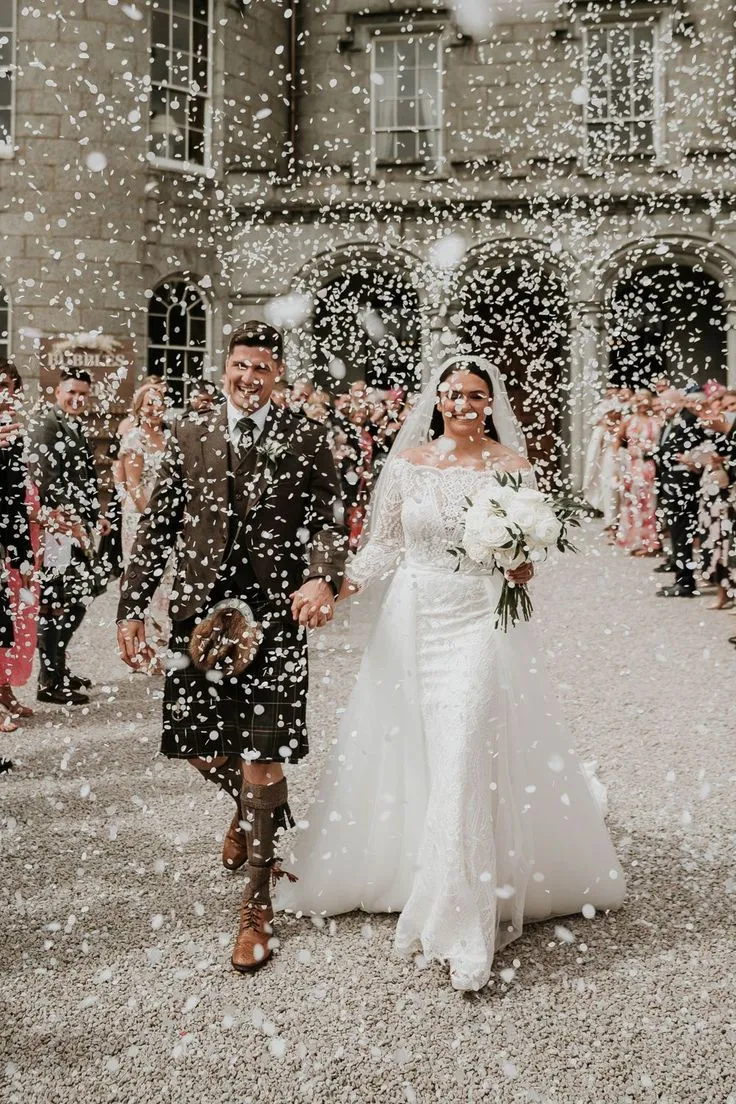
Cultural traditions can be some of the most meaningful parts of a wedding, yet they are not always easy to document well. A ritual may last only a few seconds, involve several family members, or carry significance that is not obvious to someone unfamiliar with it. Strong wedding photography requires more than simply being present with a camera. Couples can help by explaining important customs in advance, identifying the people involved, and making sure photography supports the tradition rather than interrupting it.
Explain Important Traditions Beforehand
Photographers cannot always recognize which moments carry special cultural or family significance. A symbolic object, blessing, garment change, or gesture may look ordinary without context.
Couples arranging Destination Wedding Photography Asheville Nc can provide a short overview of ceremonies or traditions that may be unfamiliar. The explanation does not need to be lengthy. Knowing what will happen, approximately when it will occur, and who will participate gives the photographer enough information to anticipate the moment without requiring direction during the ceremony itself.
Identify the People Who Matter
Some traditions involve parents, grandparents, siblings, elders, or specific members of the community. Knowing their roles beforehand helps photography capture more than the central action.
A photographer may need to watch the person performing the ritual as well as the reactions of the couple and family members nearby. Sharing names or relationships can be especially useful when several generations are participating.
This preparation allows the resulting photographs to show the connections surrounding the tradition, not simply the objects or movements involved.
Allow Enough Time for Transitions
Multicultural weddings may include clothing changes, separate ceremonies, blessings, processions, or events in different spaces. These transitions deserve realistic timing.
Trying to fit several meaningful customs into an overly compressed schedule can make participants feel rushed and reduce the opportunity to document each stage clearly. Couples should ask family members or ceremony leaders how long traditions normally take rather than estimating based only on the formal wedding timeline.
A few additional minutes can protect both the experience and the photographs.
Discuss Where the Photographer May Stand
Some religious or cultural ceremonies have specific boundaries regarding movement, sacred spaces, or who may approach particular areas. These expectations should always take priority over obtaining a certain camera angle.
Couples considering wedding photographers in asheville, nc should communicate any restrictions before the wedding. If the photographer must remain behind a certain point or avoid moving during a ritual, they can choose suitable positions in advance.
Respectful preparation usually produces better results than trying to solve restrictions while the ceremony is already underway.
Preserve Details With Context
Clothing, jewelry, ceremonial objects, food, written materials, and decorations may carry significant meaning. Photographing them individually can be useful, but context often makes the images stronger.
An heirloom necklace becomes more meaningful when shown being placed by a parent. A ceremonial object may be better understood when photographed during the ritual in which it is used.
Couples can explain which details are important so photography gives more attention to the items that carry personal, religious, or family history.
Include Reactions Alongside Rituals
The central action is only part of the story. Parents may become emotional during a blessing, relatives may laugh during a familiar tradition, or younger family members may watch something they are experiencing for the first time.
These reactions help future viewers understand how the tradition felt to the people present. They also prevent the gallery from becoming a purely instructional record of what happened.
Photography is most meaningful when it preserves both the ritual and the human response surrounding it.
Avoid Recreating Moments for Convenience
Some cultural moments cannot be repeated authentically. Asking participants to perform a symbolic gesture again because a photograph was missed can reduce its significance or feel inappropriate.
Important rituals should therefore be discussed in advance so the photographer can prepare properly. If something unexpected happens, documentary coverage should generally accept the reality of the moment rather than attempting to manufacture a second version.
Respect for the experience should always come before creating a technically perfect image.
Conclusion
Cultural wedding traditions deserve photography that preserves their meaning as well as their appearance. Couples can support that process by explaining unfamiliar customs, identifying important participants, allowing realistic time, communicating ceremony restrictions, and providing context for meaningful objects. The photographer can then anticipate significant moments without disrupting them. When preparation and respect guide the approach, the final gallery can show more than a sequence of rituals. It can preserve the relationships, emotions, family history, and shared identity that gave those traditions significance in the first place.