

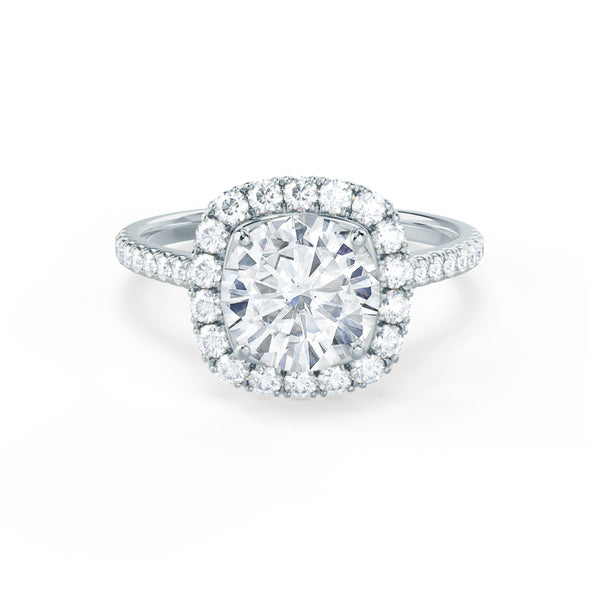
Curated collections are more than just a carefully selected assortment of items—they are an art form that speaks volumes about creativity, taste, and intentionality. Whether displayed in a gallery, a fashion boutique, or a jewelry collection like Lily Arkwright, curated collections hold a unique ability to tell stories through design. Each piece within a curated collection is deliberately chosen not just for its individual beauty or functionality, but for how it contributes to a larger narrative. By carefully considering the relationships between objects, designers can craft experiences that engage and evoke emotions in the audience, drawing them into a visual and emotional journey.
At the heart of curated collections is the idea of intentionality. A collection is not just a random gathering of objects—it is a selection that speaks to a particular theme, mood, or aesthetic. For example, in a jewelry collection, pieces may be chosen to evoke a sense of timeless elegance, modern minimalism, or vintage charm. Each item is a reflection of the designer’s vision, but when placed together, these pieces interact with one another, creating a narrative that would not exist if each were displayed alone. This storytelling aspect is one of the most powerful features of a curated collection, as it encourages the viewer to look beyond individual objects and consider the bigger picture that the designer has carefully constructed.
The design elements used in curated collections also play a crucial role in conveying a story. Designers often use color, shape, texture, and scale to evoke specific emotions or associations. In jewelry collections, for example, the use of gemstones, metals, and intricate craftsmanship can tell a story of luxury, heritage, or craftsmanship. A collection of contemporary designs might use sleek, geometric shapes and cool-toned metals to convey a sense of modern sophistication. Similarly, a collection featuring vintage-inspired pieces may evoke nostalgia through the use of antique finishes or classic motifs. The design elements are not random but serve to enhance the narrative that the collection is telling.
Curated collections often draw on a variety of influences, from historical references to cultural symbols, to craft a narrative that resonates with its intended audience. A designer may look to nature, art history, or even personal experiences when selecting pieces for a collection. For example, a jewelry collection inspired by the art deco period may feature bold geometric shapes, clean lines, and a sense of opulence that reflects the spirit of the time. Alternatively, a collection inspired by nature might incorporate organic shapes, earthy tones, and natural materials to evoke a sense of harmony with the environment. The designer’s choice of references and influences adds depth to the story being told, allowing the collection to resonate on a more profound level with those who interact with it.
Moreover, the arrangement of the pieces within a curated collection is integral to its storytelling potential. The way items are displayed and organized can enhance the viewer’s experience, guiding their attention from one piece to another in a seamless flow. In galleries, for instance, the way artworks are hung on walls can create a visual narrative, with each piece leading the viewer on a journey through time, space, or emotion. In fashion or jewelry collections, the progression of styles and materials can highlight a story of evolution or transformation. The layout and presentation act as a visual cue, helping to unfold the collection’s narrative in a way that is accessible and engaging.
Ultimately, a curated collection is a reflection of the designer’s narrative vision, and it offers a chance for the viewer to participate in that story. Through thoughtful selection, design, and arrangement, a collection becomes more than just a display of objects—it becomes an immersive experience that evokes emotions, stimulates thought, and sparks conversations. Whether in the form of a clothing line, a series of artworks, or a collection of jewelry like Lily Arkwright, curated collections have the power to tell rich, multifaceted stories through design. These stories are not just about the individual pieces but about the connections and emotions they create when brought together.
Curated collections are a powerful way for designers to share their stories, offering a unique and engaging experience for the audience. By carefully selecting and arranging objects in ways that evoke emotions and stimulate thought, designers are able to create meaningful narratives that transcend individual pieces. Whether through the use of design elements, references, or layout, these collections communicate stories that resonate deeply with viewers, leaving them with a lasting impression. As the world of design continues to evolve, the role of curated collections in storytelling will undoubtedly grow, making it an exciting area of exploration for both designers and audiences alike.